Immuno - Neuro Modulation (INEM)

3B, rue de la Férollerie
Orléans 45071
France
INEM focuses on the mechanisms involved in diseases affecting the immune and/or nervous systems, such as pulmonary infection and inflammation, asthma, pulmonary fibrosis, emphysema, and nervous system disorders induced by environmental toxins. The institute studies the interactions between the environment, immunity, genetics, and pathogenesis, and is directly engaged in research on environment-health relationships, taking into account the effects of the exposome on immunity, neuroinflammation, and their pathophysiological consequences. In this context, INEM develops and studies mouse models of human diseases, as well as murine and human in vitro models, including the use of organoids. Its research also arises directly from clinical practice and aims to improve diagnosis and therapy.
The laboratory’s expertise in immunology led to the creation of Artimmune in 2010, a company specializing in preclinical in vitro and in vivo studies to test the efficacy of drug candidates in models of respiratory diseases.
Research topics:
EXPOSOME AND IMMUNE RESPONSE
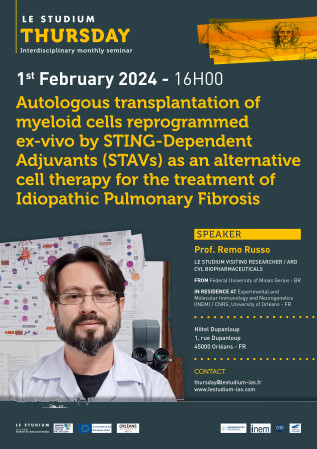
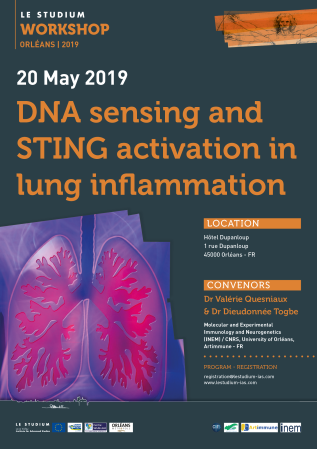
- Allergies, infection, stress, and immunity: study of the immunological mechanisms involved in allergic responses, host responses to infection, and their exacerbations, with a focus on pathways linked to cellular stress, cell death, extracellular DNA release, iron homeostasis, and key receptors involved in these responses. This work has highlighted the essential role of DNA released after cell death as a danger signal, as well as the role of the cGAS/STING DNA receptors in pulmonary inflammation. The aim is to identify and/or validate potential therapeutic targets to improve the prevention and treatment of allergies, respiratory infections, intestinal inflammation, and exacerbation phenomena.
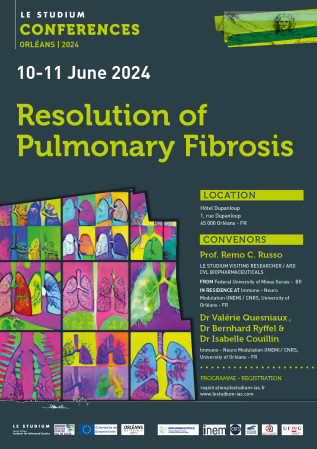
- Inflammation and pulmonary immunity induced by tissue damage: deciphering the pathophysiological mechanisms of pulmonary fibrosis and chronic obstructive pulmonary disease (COPD). Research aims to identify danger signals released following damage to lung tissue, their cellular receptors, and the signaling pathways activated during innate and adaptive immune responses. The researchers use experimental mouse models inducing lung diseases through exposure to cigarette smoke, ozone, bleomycin, and proteases. Work has shown the involvement of cellular and molecular components such as NLRP6, BAFF, and STING. Current studies investigate the emerging functions of the AIM2, NLRP3, and NLRP6 inflammasomes, cGAS/STING receptors, and type I and III interferon signaling pathways.
ENVIRONMENTAL POLLUTANTS, NEUROTOXICITY, AND NEUROINFLAMMATION
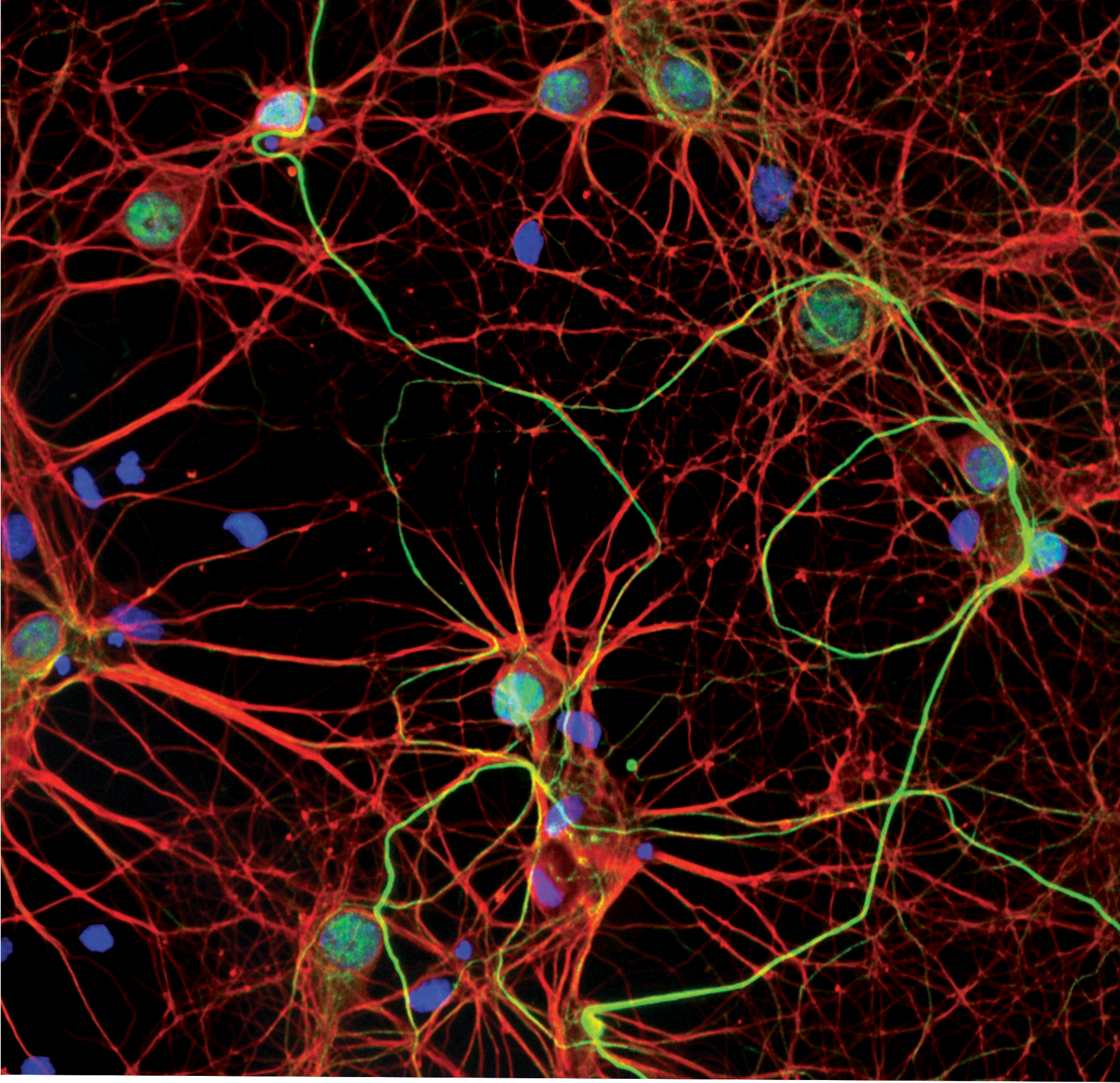
Study of the mechanisms of neurotoxicity and the vulnerability of the nervous system to environmental factors during development, following exposure to pollutants such as pesticides, toxins, and drugs during neurodevelopment. The aim is to investigate the long-term neuropathic impact induced through gene-environment interactions and neuroinflammation. This impact may lead to permanent impairments. This fundamental principle underlies Barker’s hypothesis, known as the DOHaD approach (Developmental Origins of Health and Diseases). Studies also examine the effects of exposure in adults and their implications in the induction of central and/or peripheral neuropathies.
Equipment and technology :
• Analysis of lung function by plethysmography
• Access to TAAM animal facilities and germ-free isolators,
• Histology and hematology,
• Molecular and cellular biology; Multiplex,
• Flow cytometry and fluorescence microscopy,
• Behavioural analysis
• Certified ISO9001:2015 LRQA

|

|
CURRENT AND PAST FELLOWS IN RESIDENCE




Events