Chalmers University of Technology
Address: Hörsalsvägen 7, 41296 Göteborg - Sweden
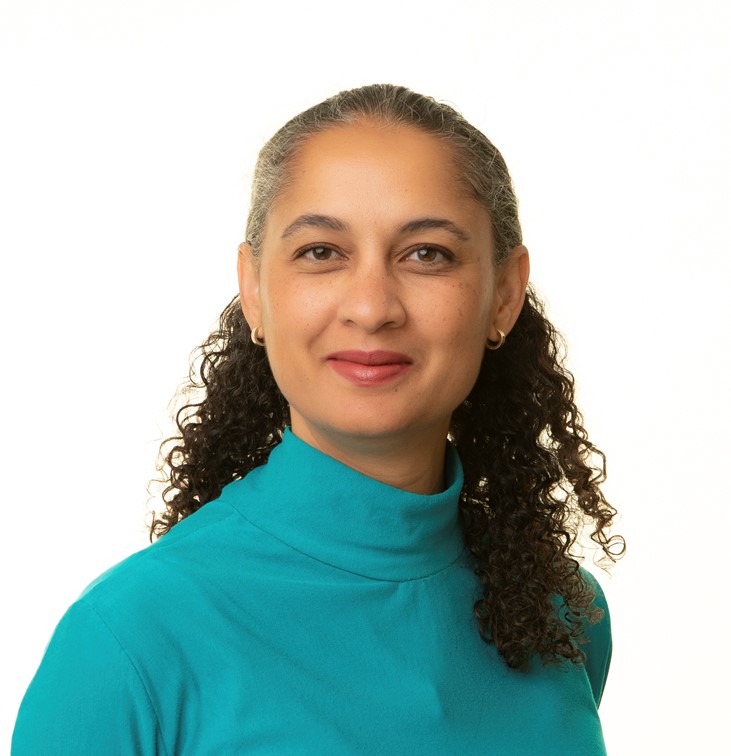
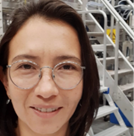
Carolina graduated as chemical engineer from the Universidad Nacional de Colombia. After completing her PhD at the Vienna Technical University, she continued her research at BOKU university and Universidad Nacional de Colombia. She is now co-leader of the Fluidization research group at Chalmers University of Technology. She focuses on experimental research and development of measurement techniques.
Reduction of iron oxide in fluidized bed systems
Reduction of iron oxides offers a versatile platform for metal-based diversification of energy carriers including large-scale long-term storage of renewable energy storage. Compared with established reduction in shaft reactors, fluidized beds provide superior mixing, higher gas-solid contact, faster reaction rates and, most importantly, flexibility on the feedstock’s distributions of size and chemical composition. This allows direct use of fine ores without major pretreatment, lowering the overall energy use and CAPEX of iron reduction. However, distinctive challenges are present: majorly sticking and defluidization, but also attrition and consequent need for fines handling. Industrial experience demonstrates that multi-stage reactor concepts offer higher control over the reaction rates and conditions, solving those issues to a large extent.
This keynote will trace the evolution from early commercial fluidized-bed direct reduction technologies to today’s hydrogen-based iron cycles and iron-fuel concepts, highlighting both lessons learned and the remaining bottlenecks. Particularly, the lecture will discuss key current research questions for fluidized-bed reduction of iron oxides in the framework of redox cycles for renewable energy storage, i.e.: understanding sticking and sintering, understanding the evolution of material properties over redox cycles, and indicating economically viable operation modes.