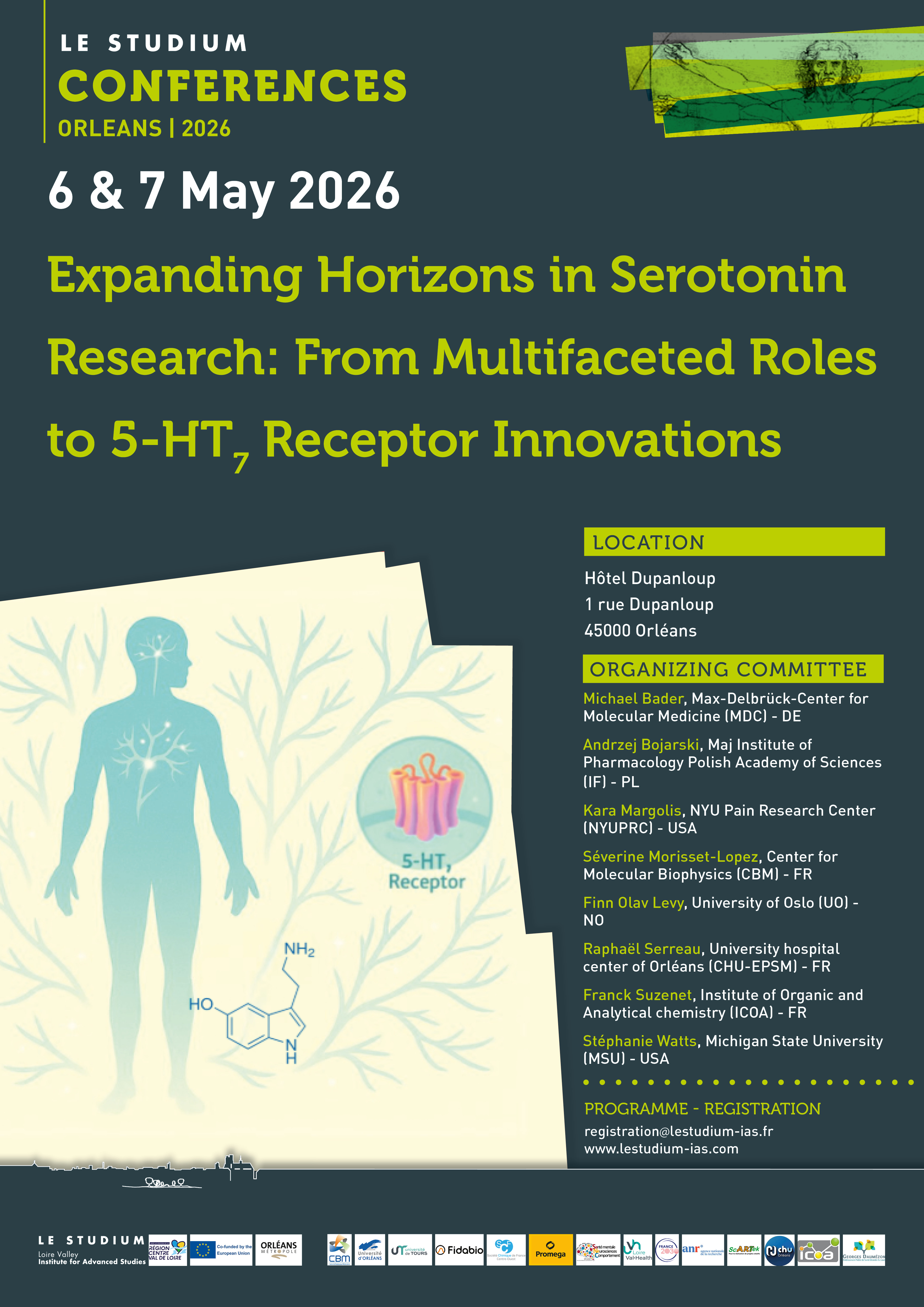

Expanding Horizons in Serotonin Research: From Multifaceted Roles to 5-HT7 Receptor Innovations

May 06, 2026 - May 07, 2026
Conference

LE STUDIUM
1 Rue Dupanloup
45000 Orléans
France

Presentation

Serotonin is synthesized both in the central nervous system and in the periphery, where it exerts its physiological functions by activating serotonin receptors. Among these, the 5-HT7 receptor (5-HT7R) is the most recently discovered subtype, identified in 1993. Highly expressed in two main compartments—the central nervous system (CNS) and the gastrointestinal tract—the 5-HT7R is also present in immune cells and cardiovascular tissues. It plays a key role in regulating important pathophysiological processes and represents a promising target for the treatment of CNS disorders such as sleep disturbances, neuropathic pain, and neuropsychiatric diseases, as well as inflammatory and immune-mediated conditions and blood pressure dysregulation.

During the congress, we will bring together researchers from around the world, uniting leading teams working on the 5-HT7 receptor and encompassing a broad range of research fields—from chemistry and structural and cellular biology to preclinical and clinical studies. Five thematic sessions will be dedicated to these presentations, entitled as follows:

  • Session 1: Serotonin: Multifaceted Roles in Central and Peripheral Systems
  • Session 2: The 5-HT7 Receptor: A Key Player in Diverse Physiological Functions
  • Session 3: The 5-HT7 Receptor in the Central Nervous System
  • Session 4: Innovative Tools and Compounds for Modulating 5-HT7 Receptor Functions
  • Session 5: Advanced Techniques and Models for 5-HT7 Receptor Research

Organised by the international research consortium i5-HT7Net, which brings together eight renowned scientists, and supported by Le Studium, the CBM and ICOA laboratories, the University of Orléans, and local hospital institutions (CHU and EPSM), this conference will offer an academic environment that fosters intellectual exchange and interdisciplinary collaboration.

Located in the heart of the Loire Valley, in the historic city of Orléans, this edition will coincide with the Joan of Arc Festival, offering participants the opportunity to discover the city’s remarkable heritage.

This event will provide an inspiring setting to explore the future of 5-HT7R research and its role in pathophysiological functions. 


Organising Committee

Michael Bader, Max-Delbrück-Center for Molecular Medicine (MDC) - DE
Andrzej Bojarski, Maj Institute of Pharmacology Polish Academy of Sciences (IF) - PL
Kara Margolis, NYU Pain Research Center (NYUPRC) - USA
Séverine Morisset-Lopez, Center for Molecular Biophysics (CBM) - FR
Finn Olav Levy, University of Oslo (UO) - NO
Raphaël Serreau, University hospital center of Orléans (CHU-EPSM) - FR
Franck Suzenet, Institute of Organic and Analytical chemistry (ICOA) - FR
Stéphanie Watts, Michigan State University (MSU) - USA

Confirmed speakers

Click on the name to display the abstract

  • Rita Bardoni , University of Modena and Reggio Emilia - IT
    Rita Bardoni

    University of Modena and Reggio Emilia

    Address:  Via Campi, 287 41125 Modena, Italy

     Email: rita.bardoni@unimore.it

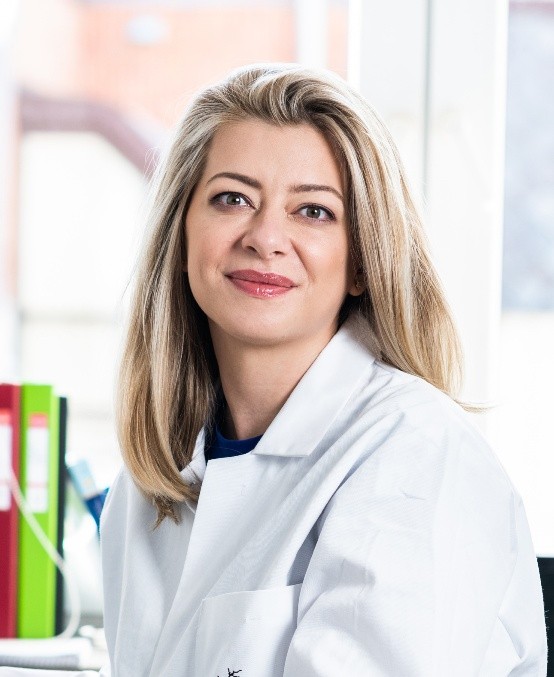
    Rita Bardoni is an Associate Professor of Physiology at the University of Modena and Reggio Emilia. Her research focuses on the cellular and synaptic mechanisms underlying somatosensory transmission in the spinal cord dorsal horn. Using primarily electrophysiological approaches in in vitro spinal cord preparations, Dr. Bardoni has characterized the functional properties of identified dorsal horn neuronal populations and examined the role of specific synaptic receptors in the modulation of pain and itch signalling. More recently, her work has concentrated on the impact of serotonergic receptor activation on dorsal horn circuit activity, with particular emphasis on 5-HT1 and 5-HT7 receptors.

    5-HT7 receptor–mediated modulation of identified neuronal circuits in the superficial dorsal horn of the spinal cord

    5-HT7 receptors are abundantly expressed in the dorsal horn of the spinal cord, in both neuronal and glial populations. Their expression is predominantly associated with inhibitory GABAergic and glycinergic interneurons. Consistent with this distribution, behavioral studies indicate that spinal 5-HT7 receptors exert a primarily antinociceptive effect in both inflammatory and neuropathic pain models. Using an in vitro mouse spinal cord slice preparation, we showed that activation of 5-HT7 receptors by the selective agonist LP-211 modulates inhibitory synaptic transmission in laminae I–II of the dorsal horn, key regions for nociceptive processing. Specifically, LP-211 increased GABA and glycine release and enhanced the excitability of tonic-firing neurons, which are largely inhibitory interneurons. Optogenetic experiments further demonstrated that 5-HT7 receptor activation potentiates both spontaneous and light-evoked inhibitory synaptic transmission. This potentiation was mainly observed in excitatory interneurons, where inhibitory inputs were predominantly glycinergic. Consistently, preliminary data obtained with the 5-HT7 biased agonist serodolin revealed an increase in spontaneous inhibitory synaptic currents in excitatory interneurons.
    Overall, our results show that activation of 5-HT7 receptors strengthens inhibitory control over dorsal horn nociceptive interneurons, providing mechanistic support for the antinociceptive role of these receptors at the spinal level.

  • Monika Bijata, Nencki Institute of Experimental Biology PAS - PL
    Monika Bijata

    Nencki Institute of Experimental Biology PAS

    Address:  Pasteur 3, 02-093 Warsaw - Poland

     Email: m.bijata@nencki.edu.pl

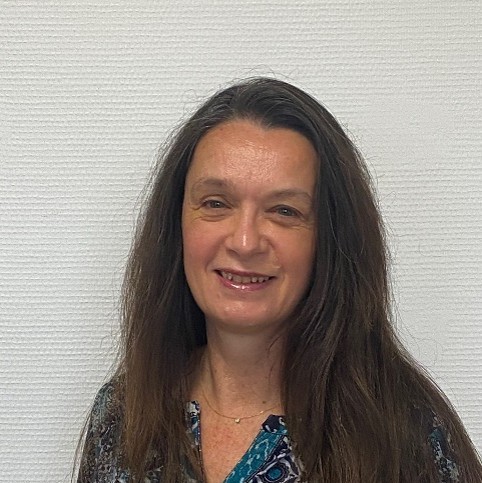
    Dr hab. Monika Bijata is a neuroscientist at the Nencki Institute of Experimental Biology of the Polish Academy of Sciences in Warsaw. Her research focuses on molecular and structural mechanisms of synaptic plasticity in neuropsychiatric disorders. She investigates how serotonin signaling, particularly via the 5-HT7 receptor, influences brain function under stress. Through a combination of behavioral, biochemical, imaging, and electrophysiological methods, she identified a novel signaling pathway linking 5-HT7 receptor activation with matrix metalloproteinase-9 (MMP-9) activity in the hippocampus. This pathway plays a key role in dendritic spine remodeling and the emergence of depressive-like behaviors, offering new insight into antidepressant mechanisms and potential therapeutic targets.

    5-HT7 receptor as a regulator of synaptic plasticity and molecular driver of depressive-like behaviors   

    Serotonergic signaling plays a fundamental role in regulating synaptic plasticity and emotional behavior. Our work synthesizes molecular and behavioral evidence identifying the 5-HT7 receptor (5-HT7R) as a critical modulator of hippocampal plasticity and a driver of depressive-like behaviors. We show that activation of 5-HT7R induces changes in synaptic structure. Acute and chronic 5-HT7R activation produce distinct synaptic and behavioral effects, with sustained receptor stimulation promoting maladaptive plasticity associated with depressive-like phenotypes in animal models. At the molecular level, these effects are mediated by a downstream signaling cascade involving matrix metalloproteinase-9 (MMP-9), which translates 5-HT7R activity into structural remodeling of dendritic spines and changes in synaptic efficacy. Importantly, the functional outcome of 5-HT7R signaling is further shaped by post-translational regulation, including receptor palmitoylation, which modulates constitutive receptor activity and downstream signaling and is disrupted under chronic stress conditions. It is associated with increased hippocampal MMP-9 activity, a finding mirrored in post mortem brain samples from individuals with depression. Together, these data position the 5-HT7R as a central molecular switch integrating serotonergic signaling, stress-dependent regulatory mechanisms, and synaptic remodeling underlying mood-related behaviors.

  • Sylvie Claeysen , Institute of Functional Genomics (IGF) / INSERM, CNRS, Montpellier University - FR
    Sylvie Claeysen

    Institute of Functional Genomics (IGF) / INSERM, CNRS, University of Montpellier 

    Address:  141 rue de la Cardonille 34094 Montpellier cedex 5

     Email: sylvie.claeysen@igf.cnrs.fr

    Sylvie Claeysen is an Inserm researcher based at the Institute of Functional Genomics in Montpellier. She specialises in neuropharmacology, serotonin receptors and neurodegenerative diseases. Working with a network of clinicians, chemists and biotechnology companies, she proposes innovative strategies for treating Alzheimer's disease (multi-target drugs, biomarkers). A member of the Scientific Council of France Alzheimer (2015-2023) and of Inserm's Microbiota programme (2016-2025), she is currently a partner in the PREANALYTICS project of the national programme ‘Food Systems, Microbiomes and Health’ and co-leader of the MICMALZ clinical study. In this context, she is exploring the potential of gut microbiota modulation as a new therapeutic and preventive approach to Alzheimer's disease.

    Serotonin and the gut-brain axis  

    The gut microbiota plays a key role in human health and is capable of affecting brain function via the gut-brain axis. Serotonin plays a crucial role in this axis, acting as a signalling molecule that links gastrointestinal function with emotional and cognitive processes. Around 90% of the body’s serotonin is produced in the gut, where it regulates motility, secretion and sensory signalling. This peripheral serotonin interacts with the enteric nervous system and communicates with the central nervous system via neural pathways, particularly the vagus nerve, as well as through immune and endocrine routes. Disorders such as irritable bowel syndrome, anxiety, and depression are associated with alterations in serotonin signalling, highlighting its dual influence on gut and brain health. Understanding the integrative role of serotonin offers insight into novel therapeutic approaches that target gut-brain communication.


  • Pascale Crépieux, Physiology of Reproduction and Behaviour (PRC) / Centre INRAE Val de Loire, CNRS, University of Tours, IFCE - FR
    Pascale Crépieux

    Physiology of Reproduction and Behaviour (PRC) / Centre INRAE Val de Loire, CNRS, University of Tours, IFCE

    Address:  Centre INRAE Val de Loire, 37380 Nouzilly, France

     Email: pascale.crepieux@inrae.fr

    Dr Pascale Crépieux is a CNRS research director at the Laboratory of Physiology of Reproduction and Behaviors in Nouzilly, France. She obtained her PhD in Molecular Oncology at the Pasteur Institute, France, then spent 3 years at McGill University, Canada, as a post-doc. Her research has revealed a developmental regulation of signalling processes during gonadal post-natal development, and have highlighted the importance of translational regulations in the trophic role of FSH in these cells. She is now exploring new approaches based on intracellular VHH, to interfere with the FSHR-mediated signalling and clarify the relationships between the FSHR structure and its activity. 

    Targeting FSHR and LHR with intracellular antibodies for structure-activity studies  

    Intracellular variable fragments of camelid heavy chain antibodies (intra-VHHs or nanobodies) have been successfully used as chaperones to resolve the 3D structure of active G protein-coupled receptors (GPCRs) bound to transducing proteins. They also provide insights into the relationships between receptor conformational states and signaling activity. So far, this property has been mainly examined for GPCRs binding peptide ligands. Using a next-generation sequencing approach after phage display selection with FSHR or its intracellular domains, we isolated and characterized several intra-VHHs, some of which also recognize LHCGR. Both receptors target gonadal cells and have key roles in orchestrating reproduction in Mammals. In my talk, I will present the functional impact of these intra-VHHs on FSHR and LHR signaling and trafficking and explain why these intra-VHHs may be useful to complement the structure/activity studies performed so far on gonadotropin receptors.

  • Marcello Leopoldo, University of Bari Aldo Moro - IT
    Marcello Leopoldo

    University of Bari Aldo Moro 

    Address:  Dipartimento di Farmacia – Scienze del Farmaco, via Orabona 4, 70125 Bari - Italy

     Email: marcello.leopoldo@uniba.it

    Marcello Leopoldo is a full professor of Medicinal Chemistry at the University of Bari Aldo Moro (Italy). He has been studying the structure-activity relationships of small molecules targeting various G Protein-Coupled Receptors (GPCRs), including dopamine, serotonin, bombesin, and formyl peptide receptors, to identify drug-like selective agonists or antagonists as pharmacological tools, fluorescent probes, and positron emission tomography radioligands. He has authored more than 150 articles. One of the most relevant outcomes of his research is the brain-penetrant selective serotonin 5-HT7 receptor agonist LP-211, which indicated that 5-HT7 receptor activation may have therapeutic effects in neurodevelopmental diseases, such as Fragile X syndrome, Rett syndrome, and Angelman syndrome.

    Identification of the First-in-Class Photo-Activatable 5-HT7 Receptor Agonist

    The serotonin 5-HT7 receptor (5-HT7R) is a G protein-coupled receptor (GPCR) within the 5-HT receptor family, widely distributed across both peripheral tissues and the central nervous system (CNS). In the CNS, 5-HT₇R is expressed in limbic areas, the putamen, the raphe, the caudate nuclei, and cortical regions. This receptor plays a pivotal role in various physiological and pathophysiological processes, such as thermoregulation, circadian rhythm regulation, sleep, learning and memory, cognitive function, and stress response. Moreover, substantial evidence implicates 5-HT7R in mood disorders, including anxiety and depression. Investigating the specific roles of 5-HT7R in these complex processes poses significant challenges due to the intricate nature of CNS mechanisms. To this end, a photopharmacological approach might be of support. We will present the chemical design of a caged 5-HT7R agonist. Following the caging strategy, three photoprotective groups were attached to the basic nitrogen of two 5-HT7R ligands, resulting in reduced binding affinity. The new light-sensitive molecules release the agonist under suitable light conditions. The biological properties of the molecules released upon illumination have been studied in in vitro and ex vivo models, confirming that these tools can be used to study the role of 5-HT7R in a temporally controlled manner.

  • Kara Margolis, New York University - USA
    Kara Margolis

    New York University

    Address:  433 First Avenue; NY, NY 10010 - USA

     Email: km5994@nyu.edu

    Kara Margolis is a Professor of Pediatrics and Cell biology at the NYU Grossman School of Medicine and a Professor of Molecular Pathobiology at the NYU College of Dentistry where she is also the Director for the NYU Pain Research Center. Dr. Margolis is a pediatric gastroenterologist and physician-scientist with clinical and scientific expertise in disorders that affect the gut and the brain, including abdominal pain-related disorders of gut brain interactions (DGBIs). In the laboratory, Dr. Margolis leads clinical, translational and basic science research programs whose themes center around the discovery of novel mediators that connect abdominal pain-linked disorders to mental health conditions like anxiety and depression.

    The role of serotonergic signaling in abdominal pain and mood dysfunction   

    Mood disorders and disorders of gut brain (DGBI) are highly prevalent, commonly comorbid, and lack fully effective therapies. Though serotonergic drugs are often prescribed for both conditions, they are often unsuccessful and/or cause adverse effects.

    In this talk, Dr. Margolis will cover the patient presentations of these comorbid conditions, the physiology of gut serotonin in the context of mood and visceral pain and how we her laboratory has segued between mouse and human studies to develop a novel therapeutic concept for treating abdominal pain and mood disorders

  • Evgeni Ponimaskin, Hannover Medical School - DE
    Evgeni Ponimaskin

    Dept. of Cellular Neurophysiology, Institute of Neurophysiology, Hannover Medical School 

    Address:  Carl-Neuberg-Str. 1, 30627 Hannover, Germany

     Email: Ponimaskin.Evgeni@mh-hannover.de

    Prof. Dr. Evgeni Ponimaskin is Professor of Cellular Neurophysiology at Hannover Medical School, Germany. He studied biochemistry at the University of Oldenburg and received his PhD from the Free University Berlin. After postdoctoral training in Berlin and Göttingen, he became group leader at the DFG Research Center “Molecular Physiology of the Brain” in Göttingen and obtained his habilitation in physiology. Since 2008 he heads the Department of Cellular Neurophysiology in Hannover. His research focuses on molecular mechanisms of neurodegeneration, particularly serotonin receptor signalling, tau pathology, and therapeutic strategies for tauopathies using cellular and animal models.

    Serotonin 5-HT7 Receptor as a Therapeutic Target in Tauopathies: From Mechanism to Intervention  

    Aggregation of the microtubule-associated protein Tau drives tauopathies, including Alzheimer’s disease (AD) and frontotemporal dementia (FTD). Although the serotonergic system has re-emerged as a therapeutic target in neurodegeneration, the contribution of specific serotonin receptors to pathological Tau aggregation remained unclear.
    We identified a causal link between the constitutive activity of the serotonin GPCR 5-HT7 (5-HT7R) and pathological Tau hyperphosphorylation as well as neurofibrillary tangle formation in primary neurons and cortical neurons in vivo. Mechanistically, 5-HT7R physically interacts with the Tau kinase CDK5, inducing its G protein-independent activation. We defined the structural determinants of the 5-HT7R–CDK5 interaction and mapped their binding interface.
    Structural and functional screening identified clinically approved drugs with strong inverse agonism at 5-HT7R, with amisulpride emerging as a lead compound. Using biochemical, pharmacological, imaging, and behavioral analyses in primary mouse neurons, human iPSC-derived neurons carrying an FTD-associated Tau mutation, and two tauopathy mouse models, we demonstrated that amisulpride reduces Tau hyperphosphorylation, tangle formation, apoptosis, and memory deficits. We have also initiated treatment of three FTD patients under individual therapeutic use. Moreover, we optimized amisulpride structure to enhance 5-HT7R selectivity and reduce side effects.  
    These findings establish inverse agonism at 5-HT7R as a novel therapeutic strategy for tauopathies.

Pricing

Private institutions 500 EUR
Public institutions 300 EUR
Students & PhD Scholars 150 EUR
Gala dinner 60 EUR


Cancellation Policy
All cancellations must be made in writing and sent by email to the Registration Department
Up to 30 days prior to conference start – Full refund less €50 handling fee
Less than 30 days prior to conference start – No refund

Oral presentations & posters

Abstracts should be submitted before Monday 2nd March 2026.

Please upload your abstract during the registration or send it before the deadline to maurine.villiers@lestudium-ias.fr.

The number of oral presentations is limited, convenors will process a selection and confirm your presentation few days later.

Please note that we do not print the posters, but racks & pins will be provided for up to A0 sizes, portrait format.

Preliminary programme

Day 1: Wednesday 6th May 2026

  • 9:30  Welcome coffee & registration
  • 10:00 Special lecture:  Anne Andrews

Session 1: Serotonin: Multifaceted Roles in Central and Peripheral Systems

  • 11:00 Michael Bader
  • 11:30 Sylvie Claeysen - Serotonin and the gut-brain axis
  • 12:00 Raphaël Serreau
  • 12:30 Sponsors'talks
  • 12:45 Lunch

Session 2: The 5-HT7 Receptor: A Key Player in Diverse Physiological Functions

  • 14:00  Evgeni Ponimaskin - Serotonin 5-HT7 Receptor as a Therapeutic Target in Tauopathies: From Mechanism to Intervention
  • 14:30 Stéphanie Watts 
  • 15:00 Kara Margolis - The role of serotonergic signaling in abdominal pain and mood dysfunction   
  • 15:30  to be confirmed     
  • 16:00 Coffee break & posters session
  • 16:30 Students: Short talk
  • 16:45 Students: Short talk
  • 17:00 Stéphanie Watts: Site web presentation – discussion
  • 20:00 Gala dinner

Day 2: Thursday 7th May 2026

Session 3: The 5-HT7 Receptor: A Key Player in CNS

  • 9:00 Iwona Majkowska
  • 9:30 Monika Bijata - 5-HT7 receptor as a regulator of synaptic plasticity and molecular driver of depressive-like
  • 10:00 Séverine Morisset-Lopez          
  • 10:30 Rita Bardoni - 5-HT7 receptor–mediated modulation of identified neuronal circuits in the superficial dorsal horn of the spinal cord
  • 11:00 Coffee break &  posters session
  • 11:30 Students: short talks
  • 12:00 Sponsors'talks
  • 12:00 Lunch

Session 4: Innovative Tools and Compounds for Modulating 5-HT7 Receptor Functions

  • 13:30 Finn Olav Levy 
  • 14:00 Andrzej Bojarski 
  • 14:30 Marcello Leopoldo - Identification of the First-in-Class Photo-Activatable 5-HT7 Receptor Agonist
  • 15:00 Pawel Zajdel
  • 15:30 Coffee break &  posters session

Session 5:  Advanced Techniques and Models for 5-HT7 Receptor Research

  • 16:00 Marie-Aude Hiebel 
  • 16:30 to be confirmed
  • 17:00  Pascale Crépieux - Targeting FSHR and LHR with intracellular antibodies for structure-activity studies  
  • 17:30 Presentation of MO2VING and SALSA facilities 
  • 18:00 Closing cession:  best poster & talk awards

Location

Hotel Dupanloup


Hôtel Dupanloup : 1, rue Dupanloup - 45000 ORLEANS - FR

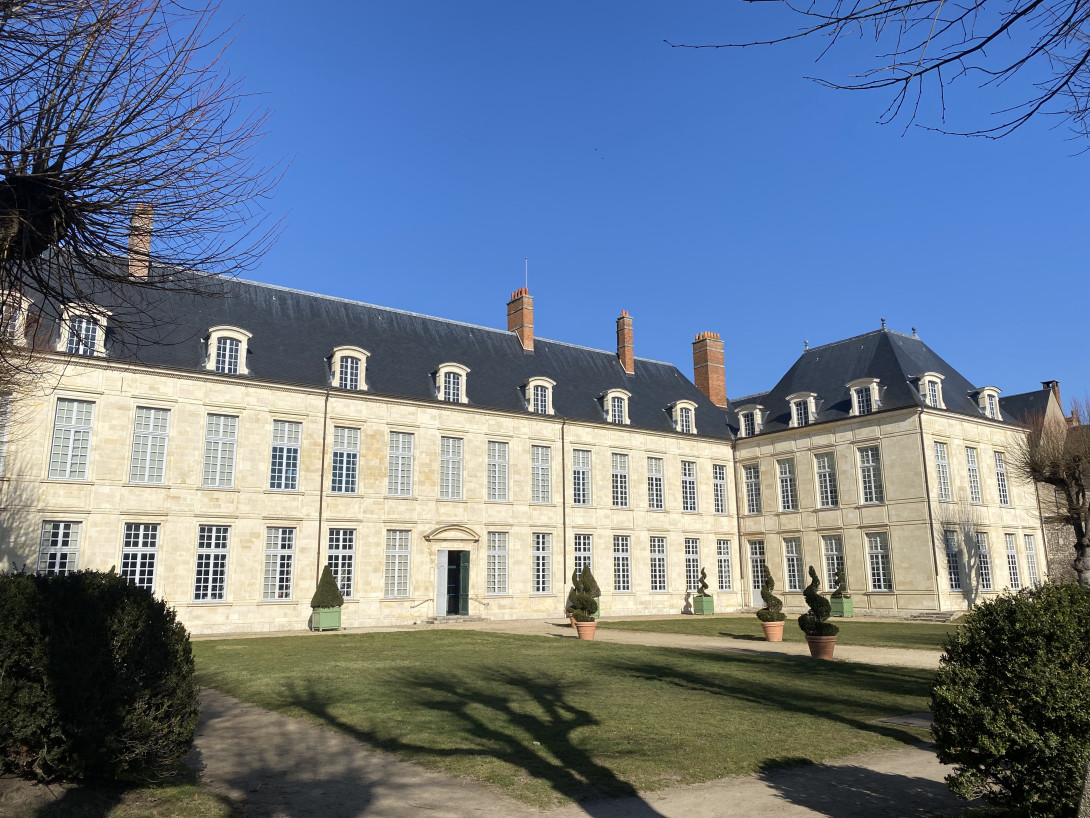
The conference venue is unique. Located right next to the Orléans’ cathedral, the episcopal palace of Orléans, built between 1635 and 1641, locally known as the Hôtel Dupanloup, is a classical French building which served until 1905 of residence to the bishops of Orléans.  Since 2014, the renewed palace hosts the International University Center for Research and Le Studium Loire Valley Institute for Advanced Studies.

Participants will be welcomed in this exceptional surrounding, blending Middle Age and Renaissance cultures with modern design and will have the opportunity to discover French cuisine and wines.

General Information

Information
Congress Venue

 Hôtel Dupanloup, 1 rue Dupanloup

45000 Orléans, France

Dates
 Dates

Wednesday, 6 May  - Thursday, 7 May 2026

Language
 Language

The official language of the Congress is English

Badge
Welcome pack and Name Badge

 Upon arrival you will receive a welcome pack that includes the printed material of the Conference and your name badge will be given to you at the reception . Please wear your name badge at all times during the Conference and to all official Conference events.

Invitation Letters
Invitation Letters

 An official letter of invitation facilitating the obtention of an entry visa can be sent upon request . In order to receive an invitation letter for visa purposes, send an email to maurine.villiers@lestudium-ias.fr. Please note that : 
- we only issue an official letter once the payment of the registration fee has been validated.
- such letters do not represent a commitment on the part of the Organisers to provide any financial assistance.

Certificat
Certificate of attendance

 After the conference, in order to receive a certficate of participation, send an email to maurine.villiers@lestudium-ias.fr

Hotel
Hotels

List of recommended Hotels in Orléans

Restaurant
Restaurant

List of recommended Restaurants in Orléans

 How to get there ?

Train
By train: 

* Orléans centre station
 1.5 hour trip from Paris (Austerlitz)

 * Les Aubrais station (4km from Orleans town centre)
Tramway A, 10 minutes trip to Orléans centre station

> Plan your trip by train: https://www.sncf-connect.com/en-en/

Voiture
By car:

GPS: 47.90243, 1.91179
Please note that you can't park in the courtyard in front of the Hotel Dupanloup.
Paid car parks nearby : 
Parking Cathédrale, Rue Saint-Pierre Lentin, 45000 Orléans
Parking Hôtel de Ville, 4 Rue Fernand Rabier, 45000 Orléans

Avion
 By plane:

*Arrival at Roissy Charles De Gaulle (CDG) airport
Take RER B in direction to Saint Rémy Les Chevreuse, step out at Gare du Nord Stop
Take Metro 5 in direction to Place d'Italie, step out at Gare d'Austerlitz Stop 

> Then take a train to Orléans (see "by train" section above)

*Arrival at Paris-Orly (ORY) airport: 
Take RER C from Pont de Rungis – Aéroport d’Orly in direction to Pontoise.
Step out at Gare d'Austerlitz Stop

> Then take a train to Orléans (see "by train" section above)  

Partners of the event

Click to enlarge image

Participate in this event