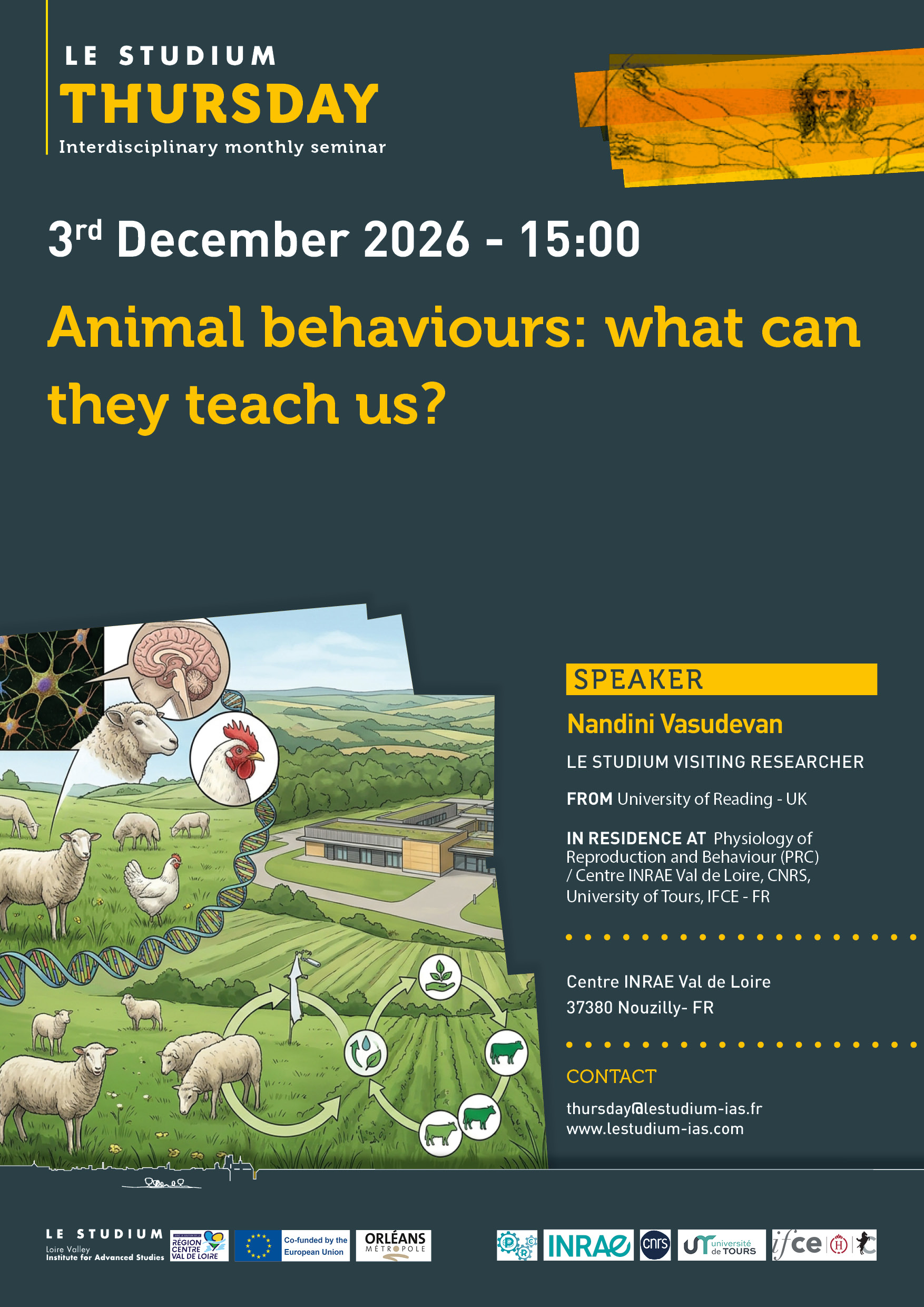
Hormones are important for coordination of function in multicellular organisms. Steroid hormones, particularly testicular hormones such as androgens and ovarian hormones such as estrogen and progesterone are particularly important to regulate ethologically relevant behaviours that are also different between sexes. Our knowledge about how they signal in the brain to regulate behavious has so far mostly focused on a particular temporally slow pathway in cells that results in gene transcription. However, all steroid hormones can also signal via atypical pathways that are more rapid but that can couple to the slower transcriptional pathway though their relevance to behaviours in mammals remain under-explored. In addition, though gonadally-derived hormones are more commonly studied, one rapid pathway could be the release of locally made neuroestrogen and neurotestosterone in mouse brains. Nandini Vasudevan will give an overview of our attempts to understand the behavioural relevance of androgenic catabolites in the female by using behaviours in a mouse model. In addition, INRAE at Nouzilly is unique in possessing several animal models for reproduction and sexually dimorphic behaviours. Prof Keller will give a brief outline of the interesting history of this unit and a tour of the laboratories (both field and wet-lab) so that we can appreciate the wide breath of experimental approaches and model animals used in modern physiology and behaviour.
Speaker
LE STUDIUM Visiting Researcher
FROM: University of Reading - UK
IN RESIDENCE AT: Physiology of Reproduction and Behaviour (PRC) / Centre INRAE Val de Loire, CNRS, University of Tours, IFCE - FR